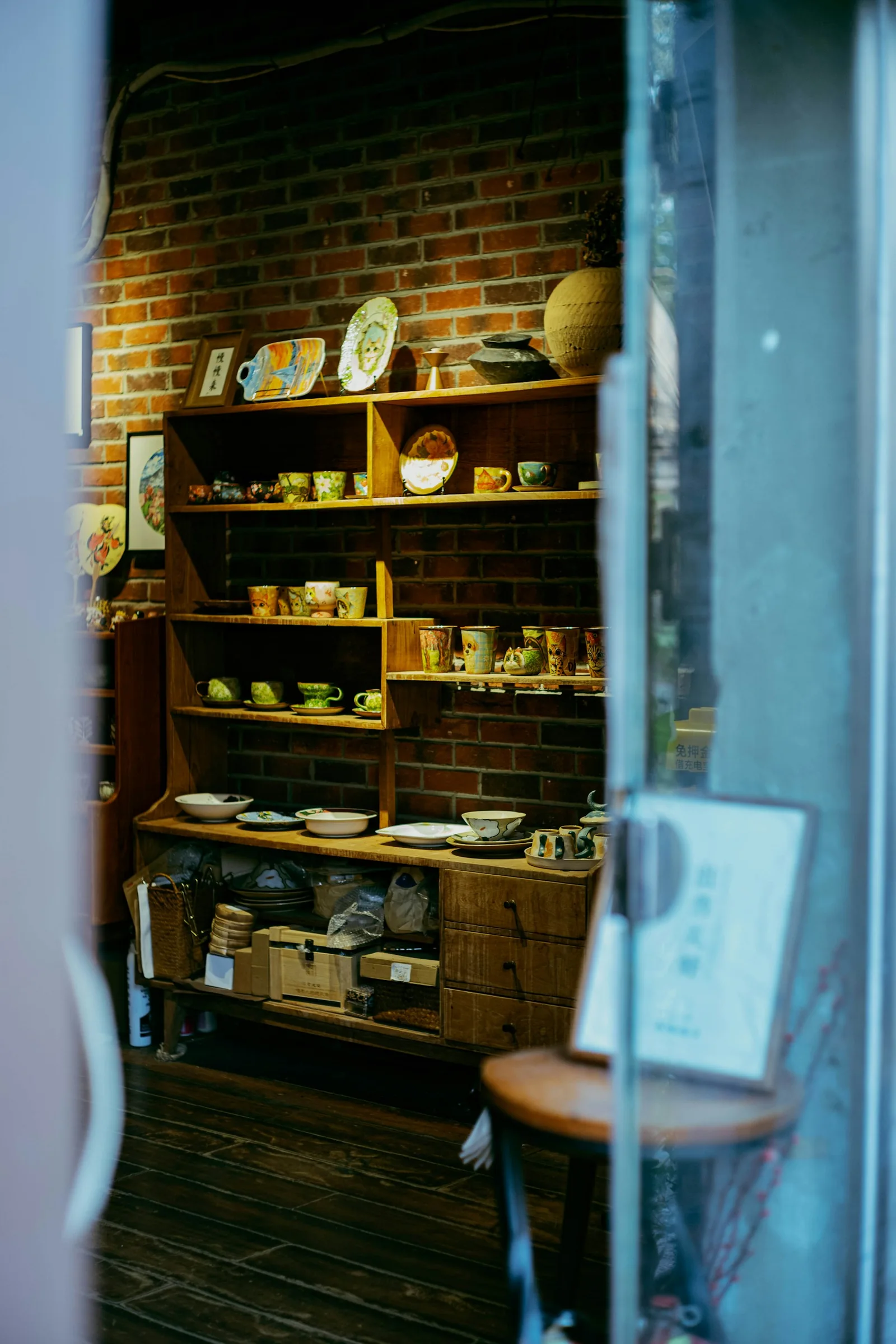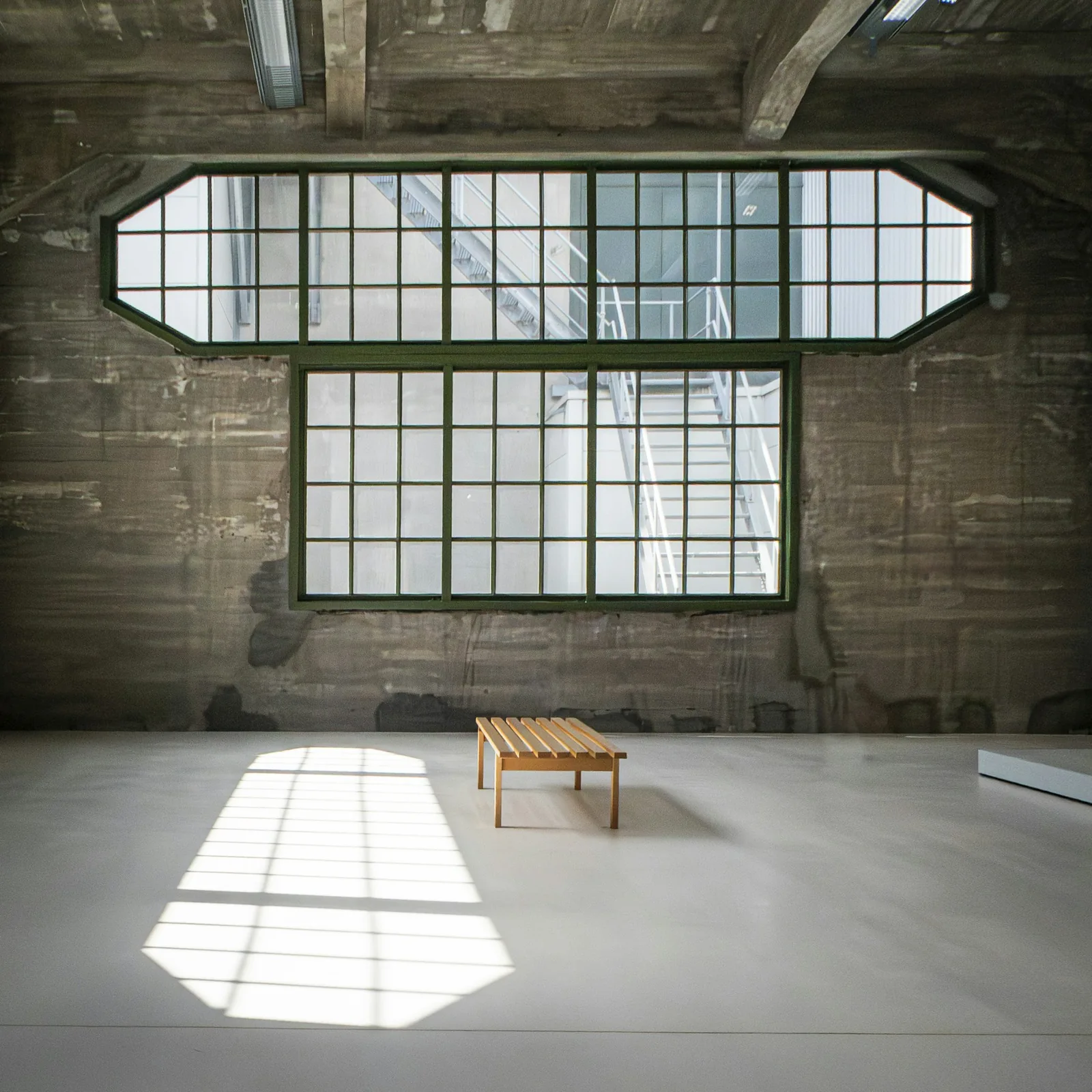
A wall can be three different colours in a single day. In the morning it looks cool and almost grey. By afternoon it has warmed. At night the lamp gives it a tone that was not on the paint card at all. When a room feels wrong, colour is often the first thing we question. It is worth looking at the light before opening another tin of paint.
Spend a little time in the room at the hours you use it. A bright kitchen at noon tells you little about making breakfast before sunrise. A desk beside a window may be lovely until a low band of sun crosses the screen. Make a short note: too dark at the worktop, glare at the desk, overhead light uncomfortable after dinner. Specific observations give you something useful to change.
Daylight is partly a question of what stands in its way. A tall cabinet can interrupt light that would otherwise travel further across the room. A heavy curtain may cover a useful portion of the window even when drawn back. Try moving the obstruction, or changing how the curtain gathers, before assuming the room needs another fitting. Small adjustments are easiest to judge on an ordinary day.
“Choose the light from the place where you will actually sit.”
After dark, think about the activity rather than lighting the whole room equally. Preparing food, finding a book, reading in an armchair, and walking through a hallway ask for different arrangements. A lamp close to the task can make that task easier while allowing the surrounding room to stay calm. Check from the position of the person using it: a bulb hidden while standing may shine directly into seated eyes.
Shades and surfaces matter as much as the fitting. An opaque shade sends light in a more specific direction; a translucent one also becomes a glowing object. A glossy tabletop may reflect a bare light source where you least expect it. Before committing to a position, move a portable lamp around and sit in the usual places. Look for reflections as well as brightness. The view from the sofa counts.
If you are choosing bulbs, begin with one lamp and keep the packaging until you have seen it at home. The same nominal colour temperature can feel different alongside your existing lamps and finishes. Make sure any dimmable bulb is compatible with the control you plan to use. For changes to fixed wiring, bring in a qualified electrician; moving a table lamp is a much simpler experiment.
A useful evening room does not need to display every corner. It needs enough light to move safely, do what you came to do, and see the people you are with. Switch off the central fitting for a moment and turn on one smaller lamp. Then another, only if it helps. Notice where your attention goes. Light is one of the few things you can add to a room that changes everything without taking up much space.