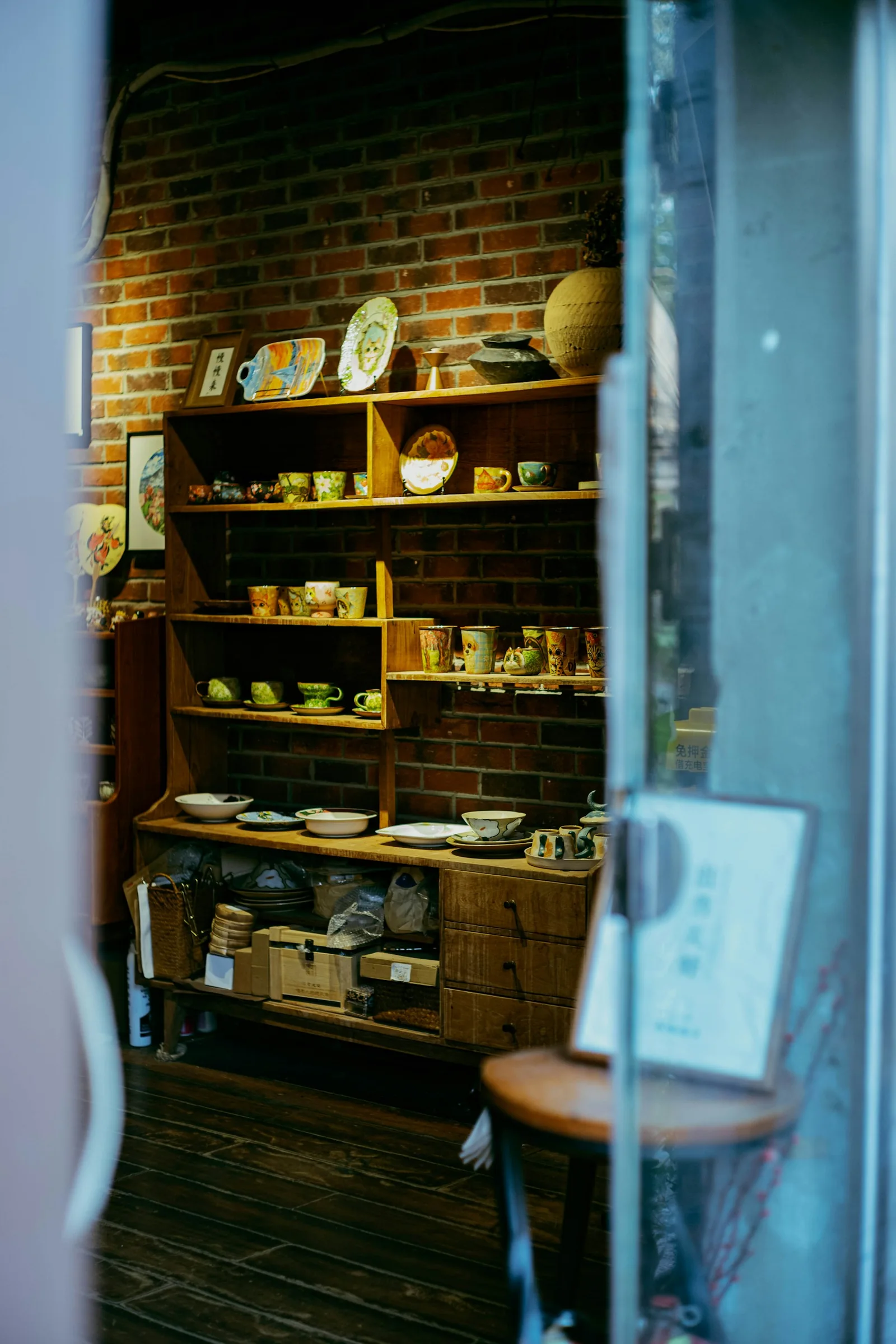
A shelf is a simple offer: put something here and you will be able to see it. The difficulty starts when it has to store everything, display everything, and make the room look finished at the same time. The most useful shelf tends to have a clearer purpose. It holds the things needed in this particular part of the house, with enough space to take one down without moving three others.
Start by looking at what gathers nearby. A stack of cookbooks on the kitchen table may be asking for a shelf within reach. A collection of small tools beside the back door may need a shallow ledge or a closed box instead. Let the objects suggest the arrangement. A deep shelf is excellent for some things and a hiding place for others. Extra capacity is not always the same as useful capacity.
Sort by how often you reach, not only by how well things match. The bowl used each morning earns an easier position than the serving dish brought out twice a year. Put frequently used items where they can be handled comfortably. Avoid turning an everyday action into a balancing exercise, and do not place heavy or fragile objects where someone must overreach to retrieve them. The attractive arrangement should also be easy to live with.
“The things you use most should be the easiest to put away.”
Then consider the shelf itself. Its material, span, fixings, and supporting wall all affect what it can safely carry. Follow the manufacturer's load guidance and use fixings appropriate to the wall; ask a competent installer if you are unsure. A line of books is heavier than it looks. Before drilling, check for concealed services. This practical work is what makes the finished shelf feel unremarkable in the best possible way.
Open storage also makes a small agreement about cleaning. Things near a cooking area may need more frequent attention than objects in a quiet hallway. A collection of tiny items takes longer to move than a few larger pieces. Trays and shallow boxes can make useful groups, but do not add containers simply to contain other containers. Leave enough clear surface that wiping it does not become a weekend project.
There is room for pleasure here too. A postcard tucked beside the books, a stone brought home from a walk, a small pot you like holding: these need not justify themselves through utility. They work best when they are visible as individual things. Give one object a little space rather than surrounding it with fillers. You can change what is displayed without treating the whole shelf as a composition to be rebuilt.
Use the shelf for a few weeks before deciding it is finished. Notice what remains untouched and what keeps returning to the table because its allotted place is inconvenient. Move those things. The arrangement will become more particular and less perfect, which is usually a good sign. A successful shelf is one you reach towards without thinking, and occasionally stop to look at with pleasure.