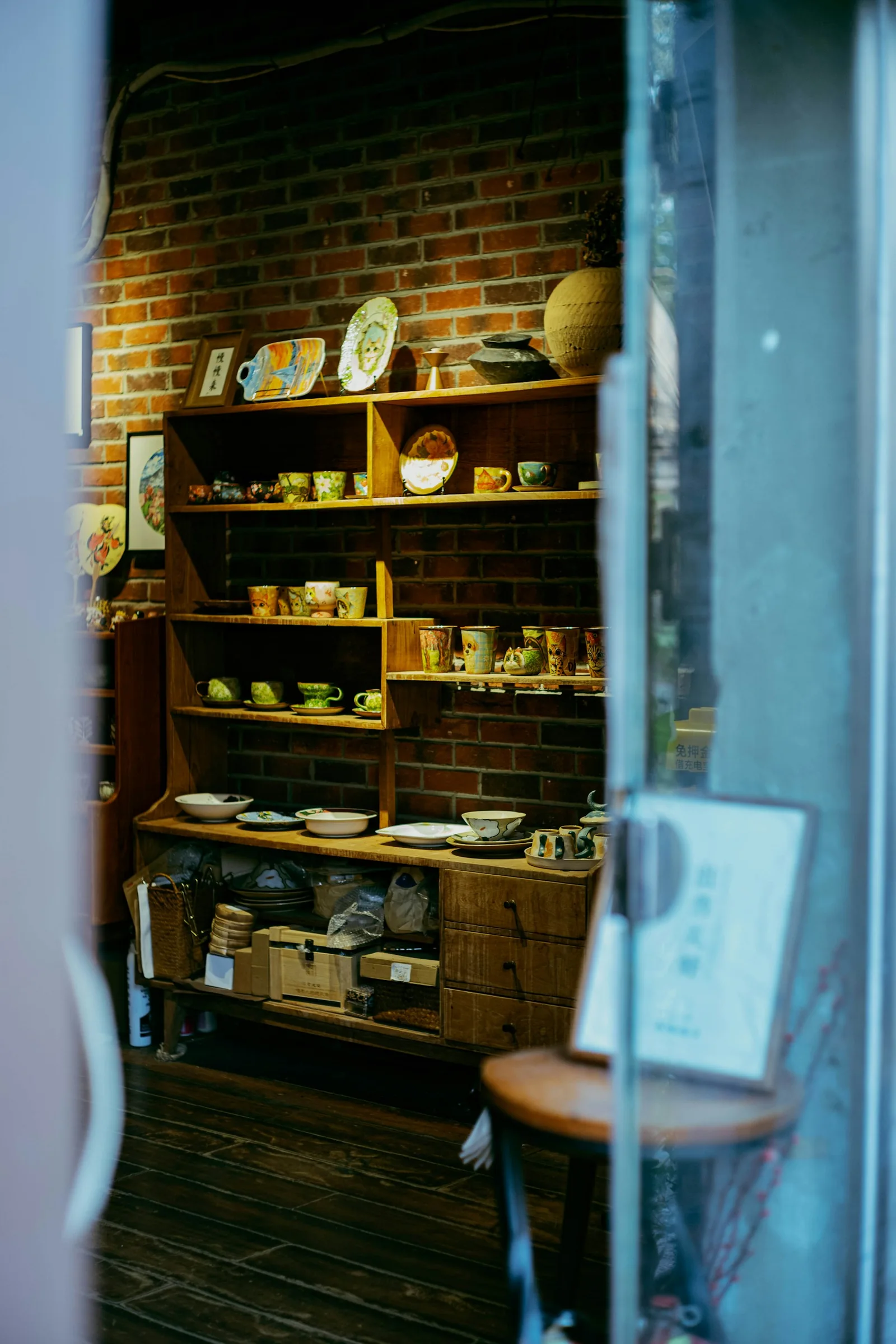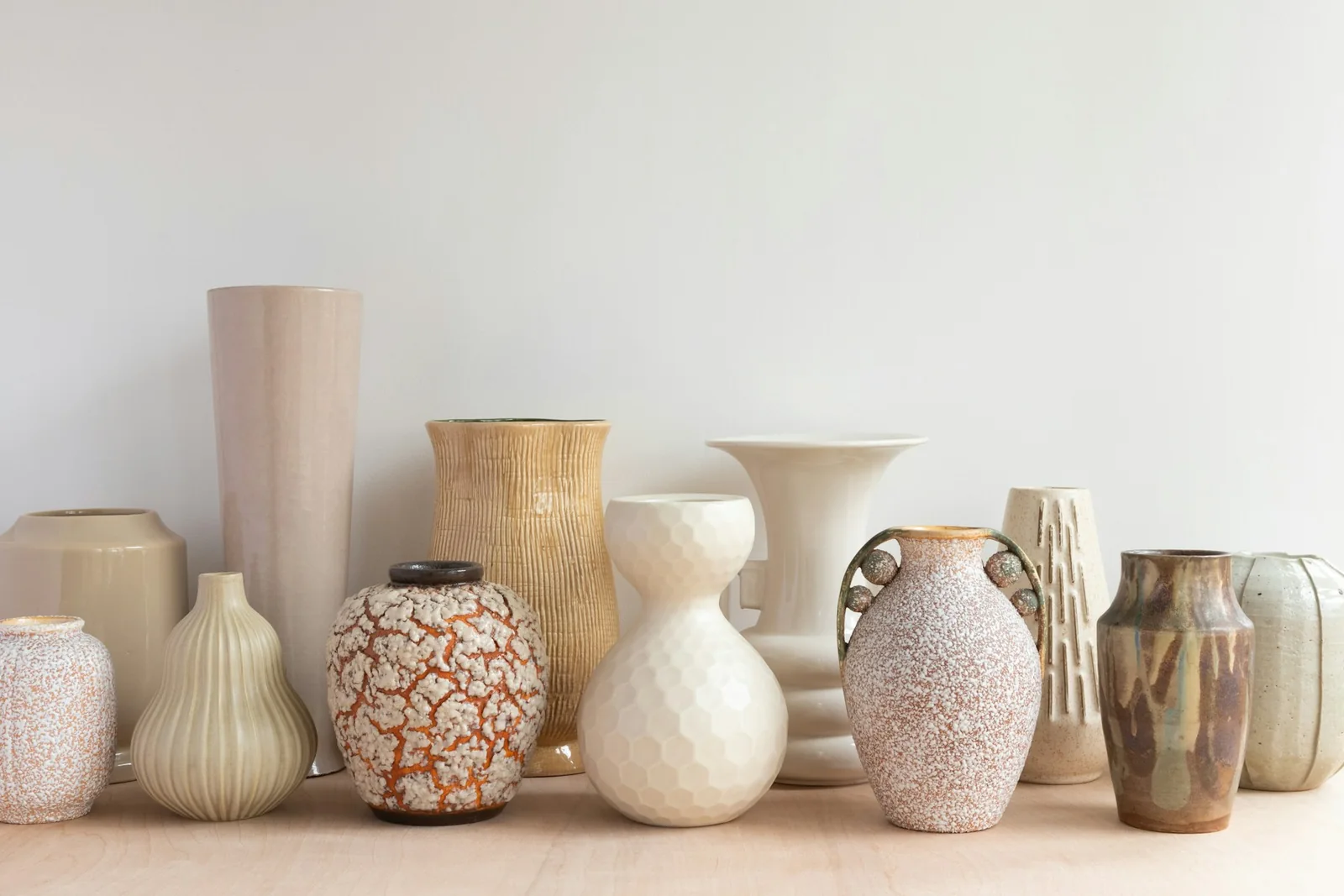
A new tabletop is a promise made under ideal conditions. There are no wet rings, no crumbs in the joint, no evidence of someone moving a plant without lifting it. The real relationship starts later. When choosing a material for something you will touch every day, imagine an ordinary Tuesday rather than the moment it arrives. How will it look after breakfast? What will you do when it is marked?
Wood is often described as warm, but the word tells you very little about caring for a particular surface. Species, construction, and finish all change how an object behaves. A veneered top needs a different approach to repair from a thick solid board. An oiled surface and a coated one may ask for different cleaning routines. Ask what the finish actually is, and keep the care instructions somewhere you can find them.
The same attention helps with stone. A sample may show colour and veining, but it cannot tell you whether you will enjoy living with a surface that records spills and contact. Ask which everyday substances may mark it, what treatment is recommended, and whether that treatment needs repeating. If you want a surface that keeps an even appearance with little attention, say so. There is no virtue in choosing maintenance you will resent.
“Imagine an ordinary Tuesday, not only the day the object arrives.”
Metals invite a similar decision. Some finishes are intended to change; others are designed to remain consistent. Darkening around a handle may be part of the attraction, or it may bother you every time you open the drawer. Neither response is wrong. Look at an older example if one is available. A photograph of the newly made object answers a different question from a handle that has been used for years.
Textiles make the relationship especially tangible. A beautiful cover is less useful if cleaning it is so difficult that nobody relaxes around it. Consider where it will live, what will rest against it, and whether removable covers are practical. Read the label before assuming it can go in the washing machine. A fabric that suits your habits has a better chance of staying in use than one chosen only for a lovely fold.
Samples are most helpful when they leave the showroom. Put them beside the things you already own. View them in daylight and in the evening. If the supplier permits a test on a spare piece, find out how the proposed care routine feels in practice. Do not damage a borrowed sample. Ask direct questions about repair, replacement parts, and the point at which a surface needs professional attention.
Age alone does not improve an object. Good construction, suitable care, and a material you can live with are what give wear a chance to become character. Some marks tell a story you enjoy. Others remain a nuisance. The aim is to recognise the difference before buying, then allow a useful thing to settle into daily life without expecting it to remain forever untouched.